ARCHITECTURAL DESIGN·20 September 2026·5 min read
Arches, Verandahs and Balcões: Goan Elements Worth Keeping in a New Home
The old Goan house solved heat, rain and light long before air-conditioning. Five of its ideas still earn their place.
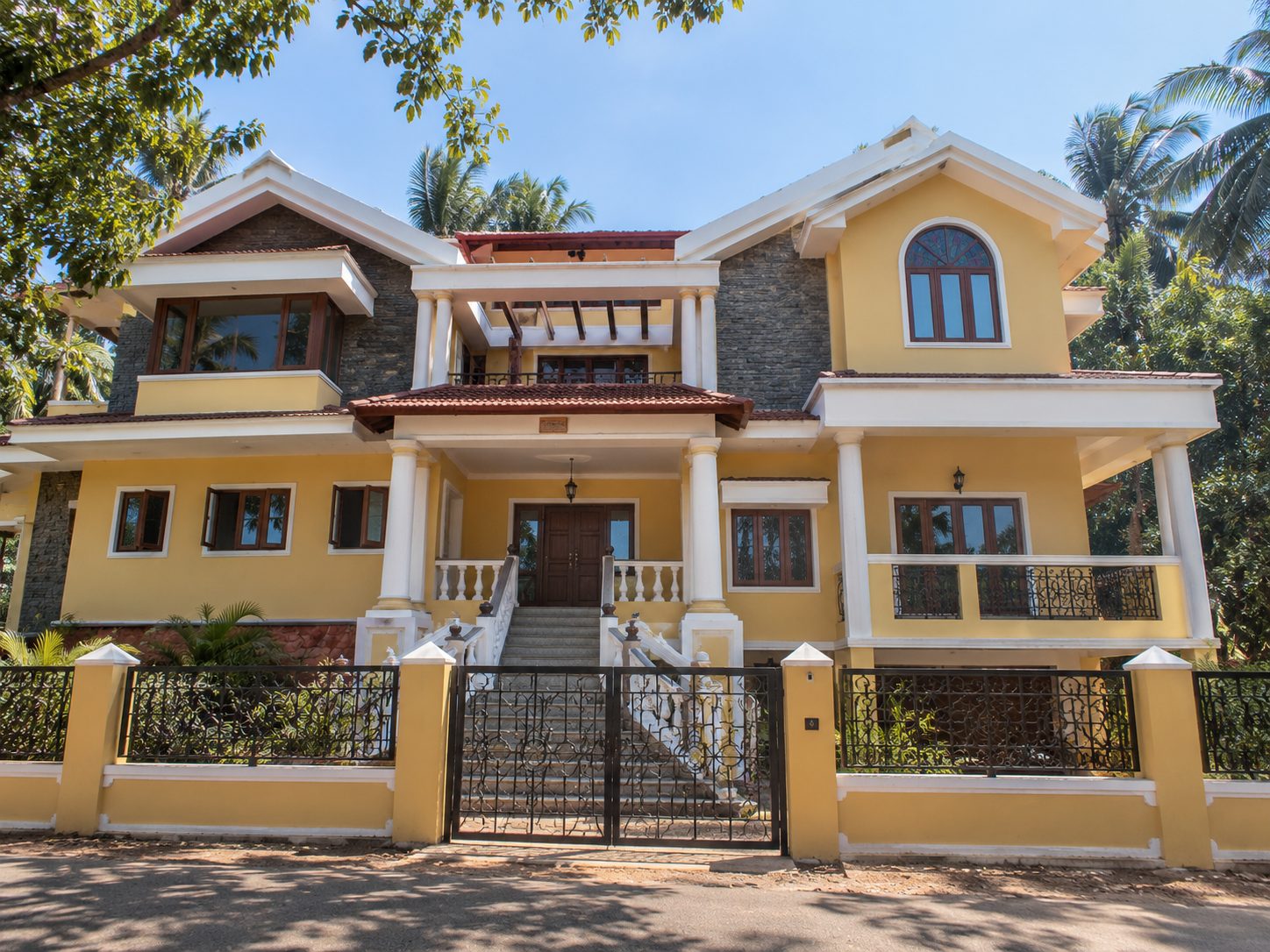
Walk down an old street in Panjim or a village road in Salcete and you will notice how much the houses have in common. The deep verandahs, the arched openings, the tiled roofs, the benches at the door. None of it is accidental. These houses were designed by people who lived with the heat, the monsoon and the glare, and who had no machines to fix a badly planned building. What they built were answers.
A new home in Goa does not need to imitate an old one. But a handful of those answers are still worth keeping, because they work.
The balcão
The balcão is the covered seat at the entrance, often with built-in benches on either side. It is the place between the street and the house, where you can sit in the evening, speak to a neighbour or simply watch the road without being in anyone's way. It is also a shaded threshold that keeps rain and sun away from the front door. A modern home can lose this entirely without anyone noticing at first, and then miss it badly.
The verandah
A deep covered verandah around the house does a great deal of quiet work. It keeps the monsoon off the walls and windows, so you can leave a window open in a downpour. It stops the harsh afternoon sun from reaching the glass, which keeps the rooms inside cooler. And it gives you an outdoor room that is usable in almost any weather.
The arch
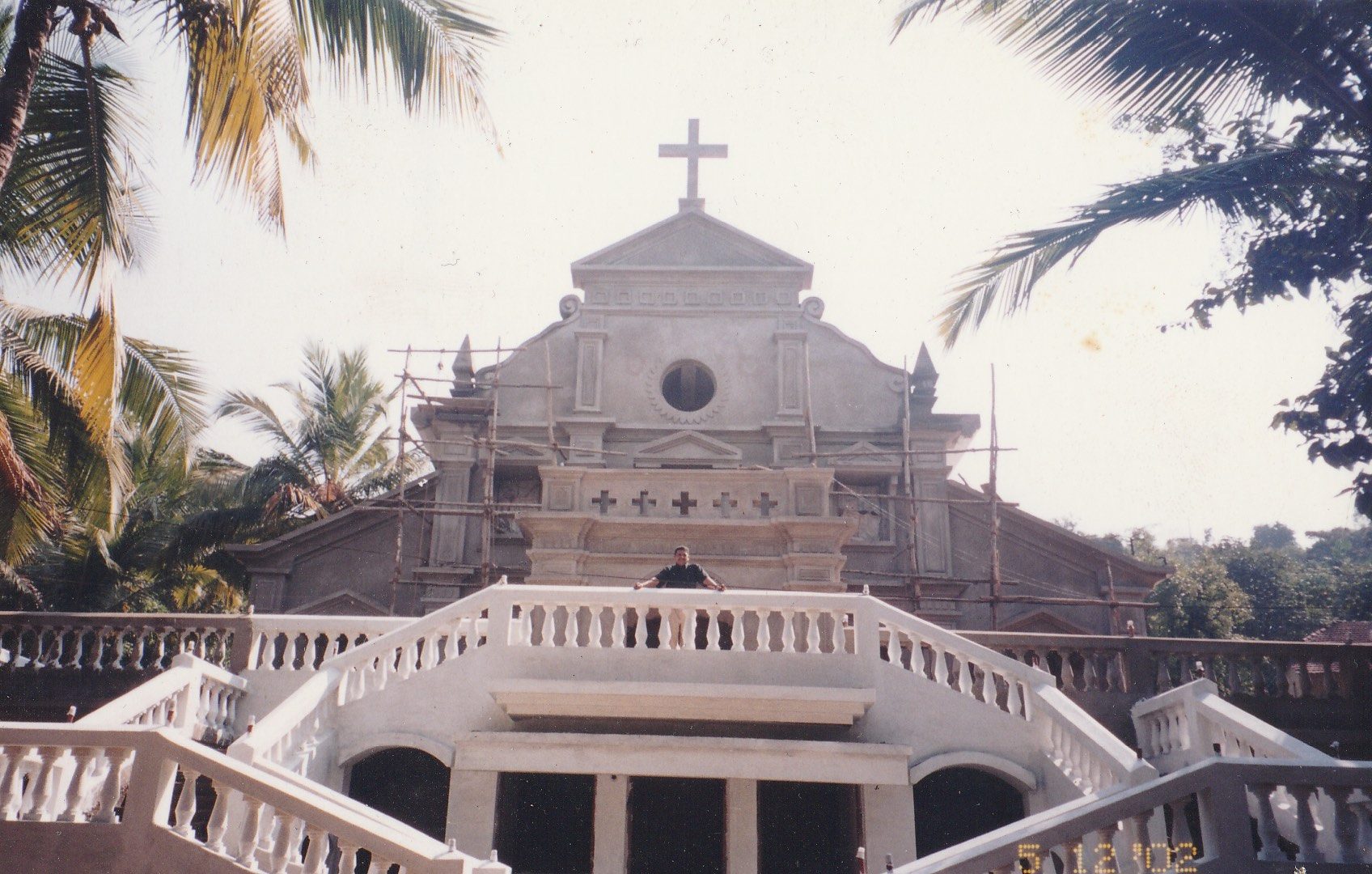
Arches carry weight efficiently and frame a view in a way a flat lintel never does. They also soften a facade. In a new building they can be used sparingly, at the entrance, along a verandah or around a window with a good view, so that they feel considered, not copied.
Height and air
Old Goan houses have tall ceilings and openings on opposite walls. Warm air rises and leaves, and a breeze can pass through. Planning a home this way means it stays comfortable with far less machinery, and the fan or air-conditioner becomes something you use in the hottest weeks, not all day.
The pitched roof
A sloping roof with a generous overhang gets rid of monsoon water quickly and protects the walls beneath it. It is also a shape Goa recognises. A flat concrete top can be fine, but it asks more of the waterproofing, and it rarely gives the same sense of shelter.
Keeping these ideas does not turn a house into a museum. Combine them with modern waterproofing, sound structure and careful detailing, and a new home can belong to its street and its climate while still being entirely of today. That is the balance we aim for when we build. If there is a Goan element you would like to see in your own home, tell us, and we will show you how to build it properly.
Planning a home in Goa?
Talk to our team in Panjim.