LAND & PARTNERSHIPS·4 October 2026·6 min read
Contract, Development or Joint Venture: Which Route Is Right for Your Land?
Three ways to turn a plot in Goa into a building, and who carries the cost, the risk and the control in each.
Almost every landowner who first calls us asks the same thing: what should I do with this plot? It sounds like a question about design, but it is really a question about money, risk and control. Who pays for the building, who carries the risk if something goes wrong, and who gets to decide what the finished place looks like. Once those three are answered, the right route is usually obvious.
We work in three ways, and each suits a different kind of owner.
Contract: you own the land and you fund the build
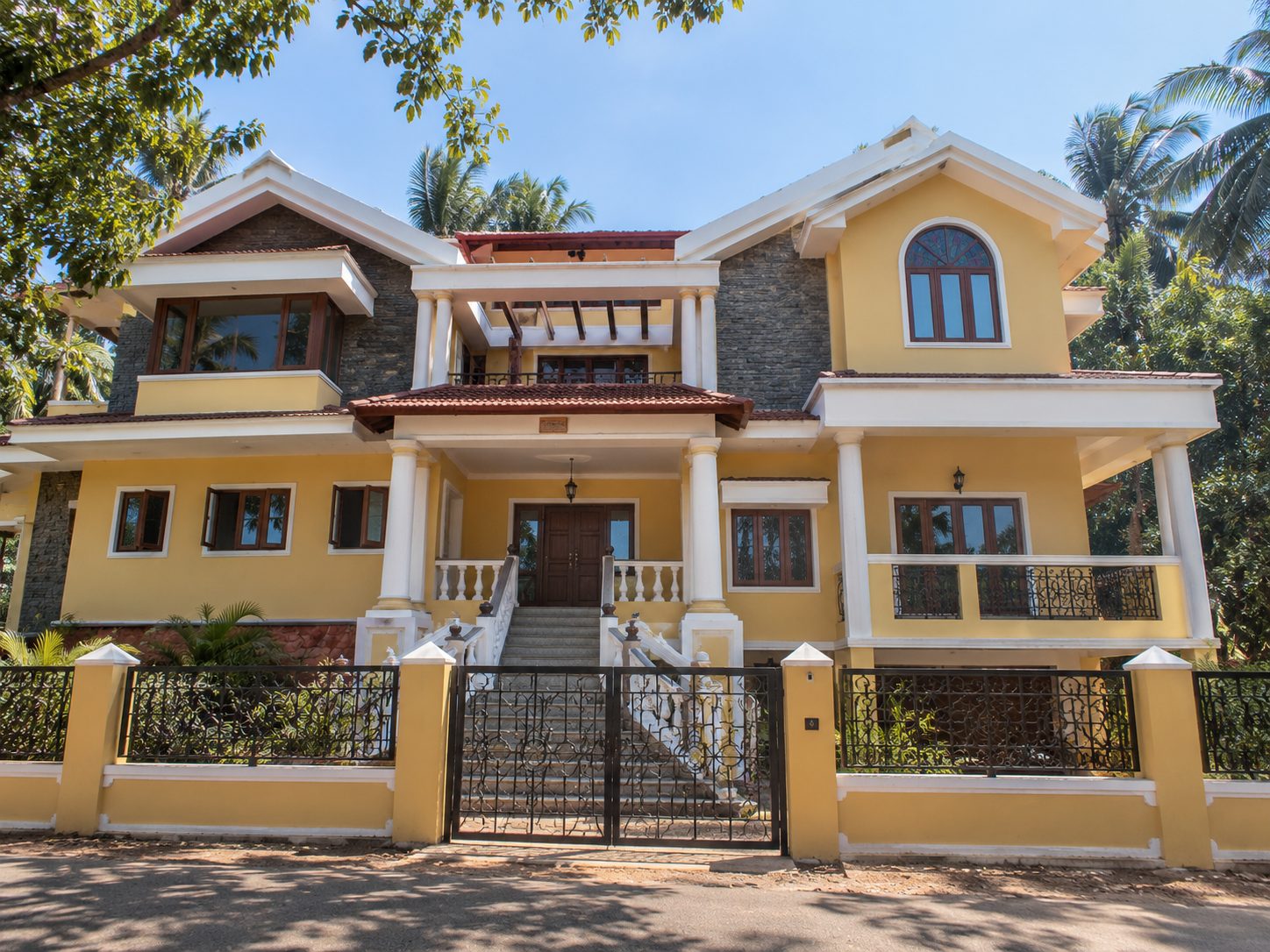
Under a contract, the project is yours from the first drawing. You choose the architect or the design, you set the specification and the budget, and we build it. That can mean the civil construction alone or a full turnkey delivery, where we take the building through to a finished, handover-ready home. It suits people who already know what they want, such as a family building a villa for themselves or an institution building to a clear brief. You keep complete control, and in return you carry the cost and need to stay involved in decisions as the work goes on.
Development: we take the project from concept to completion
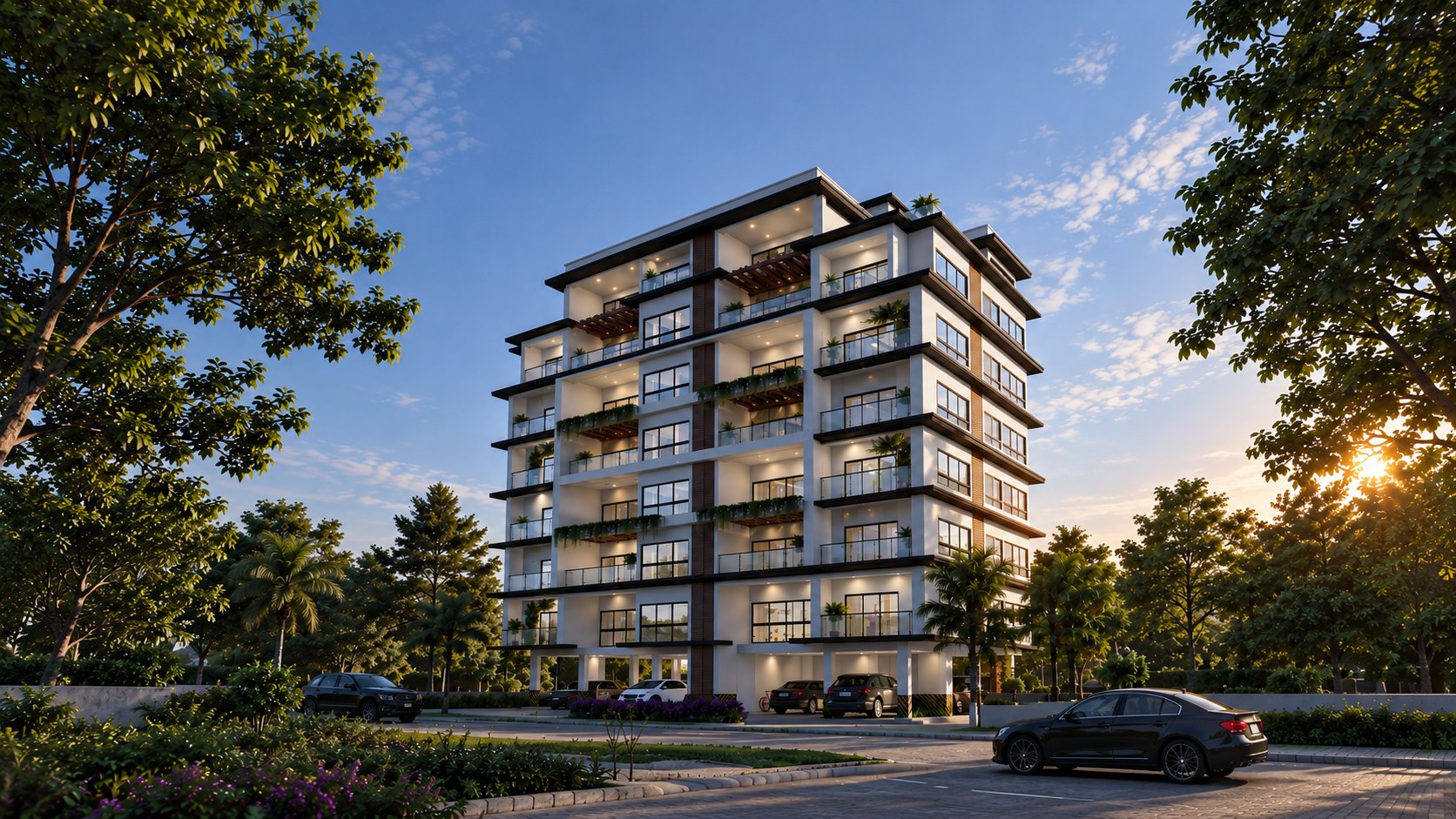
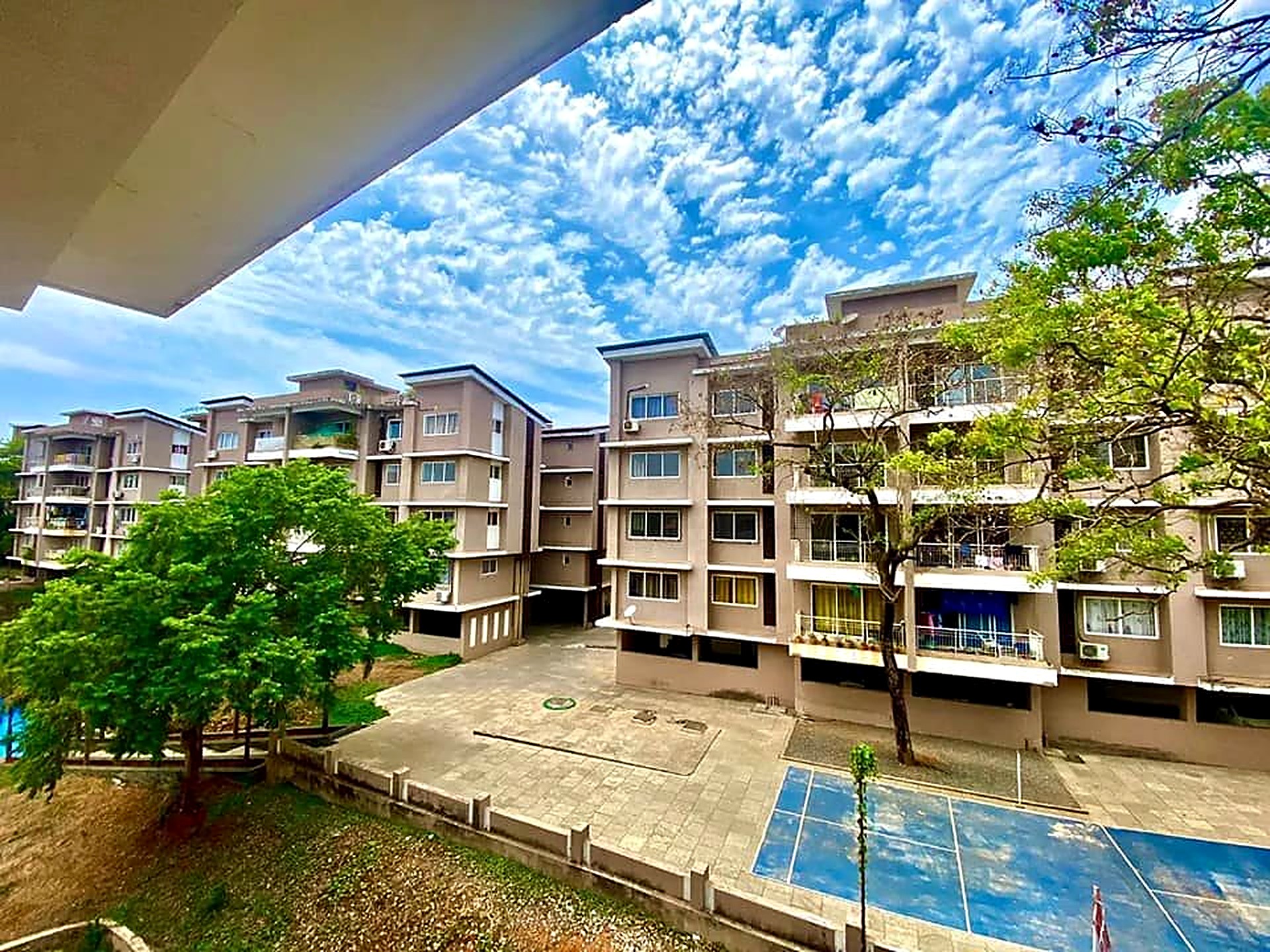
Development is for the owner who wants the result without running a building site. We manage the whole journey, from shaping the idea and securing the approvals to construction and handover, as one continuous project. Our own apartment projects are built this way, and it works best where the land is well placed and the aim is a finished building that sells or lets well, not a house designed around one family's habits.
Joint Venture: you bring the land, we bring the build
A joint venture is a partnership. The land is valued and agreed as your contribution, we fund and construct the building, and the finished area is shared in a ratio set out in writing beforehand. For a landowner who would rather share the outcome than fund it, this is often the most comfortable route, since the capital burden sits with the builder. The trade-off is that the design and the sale decisions are shared too.
How to choose
A few honest questions settle most cases. Do you want to put money into construction, or would you rather not? Do you want a say in every tile and window, or are you happy to agree a brief and let us run with it? Are you building a home to live in, or an asset to hold or sell? A person who wants a home and control usually chooses a contract. A person who wants a finished building without the headache usually chooses development. A person who owns land but not the capital usually chooses a joint venture.
Before anything starts
Whichever route you take, agree it in writing. Fix the milestones, the payment schedule and the responsibilities before the first excavation, and make sure the land documents are in order. A good agreement is not a sign of distrust. It is what lets both sides get on with the work.
If you are weighing a plot and are not sure which way to go, come and talk to us before you decide. We would much rather help you choose well than build the wrong thing quickly.
Planning a home in Goa?
Talk to our team in Panjim.